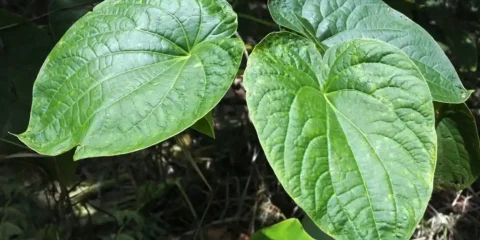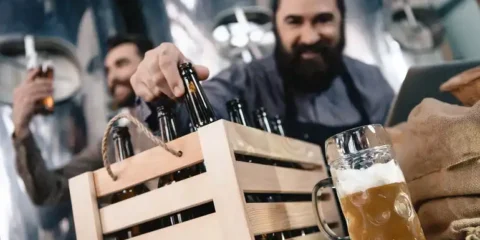

It was the second week of September, the magical time of the year when the hop harvest in Yakima Valley reaches its peak, and the air is filled with the smell of a person opening the huge bag of pine needles and the zest of citrus. That morning, I had been on a whim driving east of Seattle with no real plan as such, and I simply wanted to leave the city and go after the tail end of fresh-hop season. The highway goes through the Cascades, over Snoqualmie Pass, and then into wide and dry valleys, eventually reaching the fields with trellises full of cones.
Before I reached Yakima itself, the aroma was so thick I was getting drunk. I did not seek an iconic brewery or a tap room filled with people. I wanted to be quiet, local, and unpretentious. One of my friends recommended a brewery on the outskirts of town, a barn-like building with a small hop yard of its own, that brews small-batch beers. No fancy website. No electronic tap list.
A chalkboard behind the bar and whatever it was they pleased to pour that week. Such locations are at the heart of craft beer. Small runs. Seasonal hops. Hands-on brewing. It is all about taste and touch, not references. Each lot is the manifestation of the soil, of the climate, and of the instinct of the brewer himself, and this makes us understand that sometimes great beer is brewed a long distance in the background.
I pulled up around 2 p.m. The parking lot was mostly empty, with just two pickups and a Subaru with a Washington license plate. The door was open, and the place smelled of fresh malt, wet hops, and wood. One half of the owner-brewer team was wiping glasses behind the bar. She smiled when I walked in.
“First time?” she asked.
“Yeah. Heard you might have something fresh.”
She pointed to the chalkboard. Only three beers on tap. The middle one read: “Fresh Hop Citra.”
I ordered a pint.
What That First Pour Revealed
She poured it gradually, and the foam had rested in an ideal half-inch of the glass. It was hazy gold-green, the liquid sunshine with the touch of haze of the dry-hopping. I smelled it before I raised it, sharp, resinous, almost overwhelming, fresh grapefruit, lime zest, pine sap, a slight touch of catty onion (the good onion), and that indefinable greenness which only lasts 48 hours when it comes fresh. The first sip was electric. Pure bitterness in the mouth, but then a flourish of citrus and tropical fruit, sweeter than ever with a final touch of running hop oil on the tongue. No caramel sweetness to cover and no big malt mouth, there was nothing but plain hop expression, as though somebody had pressed a hop cone down into the glass.
I sat at the picnic table out there and watched the hop bines sway in the air. Some of the local people came in and took a growler fill and talked to the beertender about the harvest this year. No one was in a hurry. No one was posing for photos. It was the reverse of the area’s Instagram-famous taprooms. As I enjoyed the rest of the pint, two gentlemen at the adjacent table would draw out their phones and have a short distraction, one of them laughing as he played a fast-paced timing game on https://inoutgames.com/, the type of beer break that is just light enough to come between swills of something as bright as fresh-hop IPA.
How the Afternoon Slowed Down and Opened Up
Time lost meaning after that first pint.
- I had a flight of three additional small pours, a smoky pale ale dry-hopped with Idaho 7, a West Coast IPA dry-hopped with Cascade and Centennial, and a small barrel-aged sour that they had brewed using local cherries.
- The owner/bartender appeared to talk, and informed me what was going on, the harvest: wet-hopped beers are a yearly event, and last for a few weeks only. It is as though you were eating tomatoes in August, she said. You wait the whole year to have that bite.
- A local hop farmer stopped by with a small bag of fresh cones still warm from the bine. Sarah rubbed one between her hands and held it under my nose. Pure pine and grapefruit oil. I’ll never forget that smell.
- The sun was the one setting down in the yard, making shadows. I switched to a second round of the fresh-hop Citra that was enjoyable with the rise in temperature.
- The discussion ranged out to hops and styles of beer, to the economics of small brewing, then drifted toward stories from the last fresh hop festival, that short period during which the whole society appears to be centered on the harvest. It made its way back to the silent contentment of making something that people can taste, take home, and can still recall even after the glass is wiped out.
- Around 6 p.m., I said goodbye. Thrust out to the west at nightfall, and the windows open, that smell of the hop still in my nose, and on my clothing.
I reached the pass without ever having drunk the beer, yet the impression remained.
What Fellow Beer Lovers Say About Fresh-Hop Season
In taprooms and online forums, the stories are similar.
- “I drive from Portland every year just for that first fresh-hop pour, nothing else tastes like it.”
- “It’s the only time I drink IPA without thinking about bitterness units or IBU charts.”
- “My wife doesn’t get it, but I tell her it’s like eating strawberries in June, you wait all year for that moment.”
By mid-October, the fresh-hop window starts to close. The cones dry, the oils fade, and brewers switch back to regular pellet hops. But for those few weeks, the valley is alive with possibility.
How to Chase Fresh-Hop Season Like a Local
If you want to experience it right:
- Go mid-September, when the harvest is peak.
- Skip the big names and seek out smaller breweries and small taprooms.
- Drink fresh-hop beers within days of release; they fade fast.
- Talk to the brewer; they love sharing the story behind the batch.
- Bring a cooler, grab a growler or crowler to go.
And always always savor the first sip slowly.
Was That Afternoon Worth the Drive?
Without question. A single pint of fresh-hopped Citra in an afternoon in Yakima Valley is worth a dozen overrated releases of large breweries. It is not only beer, but locale, season, human beings, and the magic of something that is there a moment and gone.
Honest Take on Yakima Valley
I have sampled a lot of great beers in my life before, barrel-aged stouts in cellars, some of the rarest lambics in Belgium, and imperial IPAs at festivals. Though this new-hop ale, which was poured out of the tank in a barn under the hops with which it was brewed, is definitely one of the purest experiences in drinking that I ever had. It reminded me of my original reason in the pursuit of beer, not because of any status, no points on rarity, but because here and now there are rare intersections in which flavor and place and time all come together, at least in a single glass. It is the best of the beer world. It isn’t built on hype cycles or label drops.
It lives in harvest seasons, in brewers watching the fields, in taprooms that pour something fleeting because it can only exist right now. That’s where IPA still matters, not as a trend, but as a living expression of time and place. If you’re ever in Washington in September when the hops are coming down, get in the car and head east. Find a small taproom with a handwritten board. Order the fresh hop IPA. You’ll taste the urgency of hops that moved from bine to boil in hours, carrying that sharp, green intensity you can’t recreate later. Moments like that are why the beer niche continues to matter. It rewards curiosity, presence, and the willingness to follow the harvest instead of the headlines.
Take one sip.
And let the valley tell you its story.
FAQ Section
For anyone planning that harvest drive east, timing makes all the difference. Here’s what you need to know before you go.
When is Fresh-Hop Season in Yakima?
Mid-August to early October, with a peak in September.
What Makes Fresh-Hop Beer Different?
Hops are used within hours of picking, oils and aromas are at maximum freshness and intensity.
Best Way to Experience it?
Visit small farm breweries directly; they often tap the freshest batches.