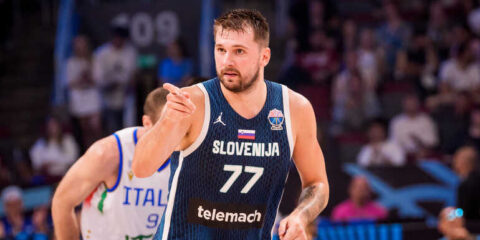

The tradition of craft beer and sports has always existed: community. In cities such as Mexico City, Buenos Aires, Sao Paulo, and Bogota, matchday has never been an individual affair. The matches are viewed side by side with the screens high, the conversations running simultaneously with the game, and a freshly-cracked beer in between the fingers. The rituals are almost as important as the scoreline, which involves that same old friend who turns into a good expert after two or three drinks.
The point to note by early 2026 is that this connection is very intentional. Breweries do not sit back and watch what happens in between stadiums anymore; they have been integrated into the beat of the season. The partnerships with clubs, exclusive releases around matches, and taprooms, as well as after- and before-match meet-up locations, have made beer a component of the matchday story. Sports organizations, on the other hand, are drifting towards collaborations with local craft producers since they will provide something more difficult to imitate: identity. It seems to be a deserved one when a beer is an embodiment of the neighborhood, the fans, and the game day practices. This has brought about a matchday experience in which what is in the glass has the same meaning of belonging as the colour in the stands.
The Taproom Is A Fan Clubhouse (With Better Music And A Better Screen)
The craft breweries figured out one thing, and that was that fans do not need a location to drink, but to belong. That is why watch parties are effective in taprooms. They are a neutral base upon which rival fans can squabble without it being too weird, upon which families may have time to chill out earlier in the day, and where a midweek game does not seem like a middle weekday Wednesday. Most of the breweries schedule their times on the sports seasons: derby days, playoffs, international windows, and those marathon Sundays when several leagues collide. Bring food trucks, a trivia night, and a jersey swap, and you have a mini sports festival that is weekly at the brewery.
Collaboration Beers: When A Can Becomes A Souvenir
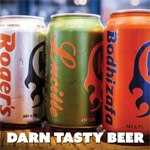
Collab beers linked to teams and events are about more than just taste; they embody identity. A limited release with club colors or a special label becomes a collectible item. Fans take it to gatherings, share it in group chats, and save a can “for luck” as a small ritual. This trend isn’t just about pro clubs. In the U.S., universities have embraced officially licensed craft beers to raise funds and build community ties, transforming campus sports into a broader story that extends beyond just Saturday games.
Stadium Pours Are Getting More Local (And More Thoughtful)
Stadium beverage programs have become more curated. Fans still want speed at the counter, but they also want options: lighter beers for hot days, non-alcoholic choices for drivers, and local brands that feel tied to the city. That’s why partnerships between teams and breweries have become more visible, sometimes even including branded taproom spaces inside venues, not just a logo on a board. A good partnership doesn’t feel like a billboard; it feels like the stadium is reflecting the place it represents.
Non-Alcoholic Craft Beer Is Now Part Of The Sports Conversation
Team and sport-related collaboration beers have ceased to be flavored and have entered the identity realm. A small production with a club wrap or with a specific design on it often has more significance than the contents of the can. It is taken to watch parties and photographed and shared or stored away as a silent good-luck practice–not so much about drinking as it is about bonding.
This is not a professional club only. In the U.S., colleges have tilted toward licensed craft output as a means of subsidizing athletics and building local relationships. These beers incorporate campus pride into daily fan culture, making game days something that will be remembered long after the final whistle. Craft beer in that space serves as an identifier of belonging, as the experience of the matchday is projected into the homes, taprooms, and conversations that span well beyond the weekend.
Where Craft Beer Meets Fan Culture Off The Pitch
The fun part is everything around the game: meetups, charity runs, supporter tournaments, fantasy league finals, and “watch party diplomacy” when a couple supports different teams and still wants a peaceful evening. Breweries play nicely in this space because they’re built for gatherings. Many already have community-first habits: donation nights, collaborations with local restaurants, and events that welcome people who are there for the vibe as much as the sport. And for sports organizations, that’s a gift: a partnership that doesn’t end when the final whistle blows.
How The Beer Buzz Overlaps With Sports Betting And Casino Habits
What used to be background noise has become part of the ritual. Between sips and small talk, live odds and prop bets now slide naturally into taproom chatter, turning the second screen into the main event.
The “Second Screen” Era: Odds, Props, And Taproom Chatter
In a packed taproom, sports betting often shows up as conversation fuel: someone checks a live line, another argues the value is gone, and somebody else swears they “felt” that corner was coming. On big matchdays, people switch between the broadcast and betting platform menus for live odds and prop markets, then turn those numbers into friendly debates over the next round.
The best part is that it turns into a shared language – less about pretending to be a genius, more about enjoying the game with extra angles to talk about. When the screen is loud, and the match is tense, a tiny live decision can feel as dramatic as a late equalizer, which explains why sports betting fits so naturally into modern watch-party culture.
Matchday Promos And Why Big Events Pull Attention
Bigger sporting events create predictable spikes in attention: playoffs, finals, rivalry weekends, and international tournaments. That’s also when sportsbooks push more markets and quick-to-understand options, because casual fans are watching too and want simple ways to join the action. In many circles, sports betting gets discussed alongside food and drink plans, and fans compare what different apps offer markets, boosts, timing, and ease of use while the game is still unfolding.
The key is that the betting talk stays anchored to what’s happening on the pitch or court, not detached from it, which keeps the whole experience social instead of transactional.
What This Means For Fans And Breweries In 2026
The position of craft beer in the culture of sports is being expanded due to its compliance with the way fans currently live: in a social, routine-based, and events-driven manner. Breweries provide a local home base to the fandom, and teams receive suppliers that can be present in the real community outside the stadium. This will lead to fewer and less seasonal releases, less alcohol available in the venues, and taprooms that are more reminiscent of unofficial clubhouses on matchday.
Matchday Takeaway
The most successful craft beer collaborations do not strive to create enthusiasm towards sports. They intrude into the territory that fandom inhabits already – common tables, routine, the buzz of a monitor that everyone is staring at. When a bar or taproom has a well-considered list of beers, a regular following, and a vibe that is appropriate to the game, the relationship comes across as an easy one. That is where matchday is de-promotional and more of a habit, and craft beer is now part of the experience, but the headline.