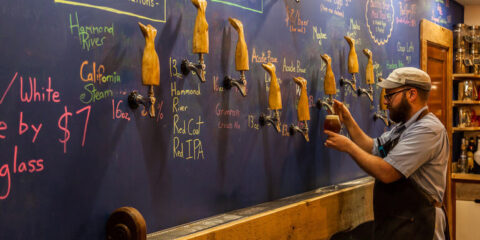

Washington’s craft beer culture is a revered idea in all of the country – and it should be. Dotted with hundreds of microbreweries, a thriving community of brewers and drinkers, and an impressive variety of locally sourced flavours, the state towers as a paradise for beer fans. No matter if it’s downing a citrusy IPA in Ballard or getting down on a dark porter at a Spokane Taproom, beer in Washington is more than just a liquid; it’s an event.
That same level of craft, flavour, and local pride can be experienced in every pour throughout the region. Whether seasonal brews or tiny experimental small-batch releases, the diversity in Washington’s beer world reflects the creativity and love driving its communities.
Guilt, however, comes with that experience. The larger our community gets, the greater the need there is to have a conversation about responsible drinking, not as a killjoy idea, but as a necessary ingredient to maintaining the joy, respect, and sustainability of our beer culture.
Keeping the Craft Scene Safe: The Importance of Knowing Your Pour
A major component of drinking responsibly is understanding what constitutes a standard drink. For example, 12 ounces of 5% ABV beer equals one standard drink. This simple concept can guide smarter choices and help avoid unintended overconsumption—something that even seasoned drinkers can fall into without realising it.
Let’s explore how responsible drinking can be practised without diminishing enjoyment, and why this ethos is key to keeping Washington’s beer scene safe, inclusive, and thriving.
The Heart of Responsible Drinking: Enjoyment, Not Excess
As against the perception of rumors of some, reasonable drinking has nothing to do with restriction or sobering fun. It’s the other way round, it’s about consuming beer deliberately. It’s about really enjoying the complexity of a small-batch ale or savouring that elusive bitter edge of a dry-hopped lager, without getting lost along the way.
Responsible drinking includes:
- Awareness of alcohol content and serving sizes
- Understanding personal limits
- Choosing quality over quantity
- Staying aware of how alcohol affects your body, mood, and decisions
This intentional approach enhances your experience, ensuring that the good times stay good long after the glass is empty.
Demystifying the Standard Drink: It’s Not Just “One Beer”
Shockingly, most drinkers discover that one beer does not automatically equal one drink.
In U.S. guidelines, a standard drink is equivalent to approximately 14 grams of pure alcohol and 0.6 ounces.
This generally equals:
- 12 ounces of beer (5% ABV)
- 5 ounces of wine (12% ABV)
- 1.5 ounces of distilled spirits (40% ABV)
But many craft beers come in larger pours, higher ABVS, or even double or triple styles. A 9% ABV double IPA in a 16 oz can? That’s roughly two standard drinks, not one. Understanding this helps you gauge your intake more accurately.
This is not a rule, it’s knowledge and intent. If you are out at a festival or home with friends, then knowing the ABV and volume of your beer enables you to drink safely.
Why This Matters in Washington’s Beer Scene
Washington is the host of over 400 licensed breweries, and many of them are brewing exciting, high-ABV offerings that break boundaries of classic brewing. This creativity is the reason the local scene is so interesting – and, at the same time, drinkers have to stay up to speed.
There’s so much talk of barrel-aged stouts, hazy triples, and experimental saisons that sometimes it’s easy to forget just how strong some beers can be. This is particularly important during such events as beer festivals, where small drinks add up very fast.
Not only do you protect your health, but help decrease unwanted events that can damage the reputation of your local brewery, or even town.
The Health Perspective: More Than a Hangover
Drinking responsibly isn’t just about avoiding a bad morning—it has longer-term health benefits, too. The Centers for Disease Control and Prevention (CDC) notes that drinking alcohol in moderation may help reduce the chances of developing alcohol dependence, liver conditions, and elevated blood pressure.
Moderate drinking is defined as:
- 1 drink per day for women
- 2 drinks per day for men
That doesn’t mean averaging out binge weekends. These guidelines are not the weight that you consume in a week, but the weight that you consume daily. Just because you follow them doesn’t mean you can’t have strong beers – it just nudges you to think about portions and pacing. In this world of craft beer, when higher ABVS and bold styles prevail, it’s knowing how each pour fits into your day that leaves room for fun and consideration – Preserve it! This is a method that adds to developing a healthier and more sustainable way of enjoying the beers that you love.
Not only that, but newer researchers are currently investigating ways alcohol, even in small amounts, can have an impact on brain health and sleep patterns. The decision to drink sensibly is a long-term deposit in saner thoughts, better health, and emotional stability.
Social Responsibility in Public Spaces
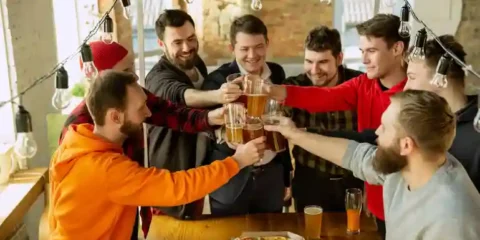
The Washington taprooms are full of camaraderie and warmth in many locations. People don’t just get together to drink, they come together to connect. Keeping this environment safe and welcoming requires a community approach to drinking responsibly.
Here’s how we can collectively support responsible habits in public spaces:
- Encourage friends to hydrate and pace themselves
- Avoid pressuring others to drink more than they want
- Be the one who suggests food or a round of water
- Step in gently if someone appears visibly intoxicated
- Normalise choosing non-alcoholic options
Responsible drinking isn’t about pointing fingers—it’s about protecting the space that allows all of us to enjoy beer culture together.
The Role of Breweries and Taprooms
Washington breweries are taking proactive steps to lead the responsible drinking movement. Many offer:
- Marked ABV percentages
- Smaller pour sizes or tasting flights
- Food pairings to slow alcohol absorption
- On-site water stations
- Non-alcoholic beers or craft sodas
- Staff training to monitor overconsumption
Some even provide discounts for designated drivers or promote ride-share partnerships after events. These initiatives not only show leadership, they also build long-term trust with patrons.
When breweries make responsibility part of their brand, they elevate the entire beer experience for their community.
Responsible Drinking at Festivals and Events
The beer festivals of Washington are a calendar year’s bright spot. With hundreds of brews and dozens of breweries, it is all too easy to forget why you went on your brew tour to begin with. Festivals are, however, perfect breeding spots for overconsumption if you are not careful.
Here are some tips for drinking responsibly at beer events:
- Start with lower ABV options and gradually work your way up
- Track your drinks (yes, even the small ones!)
- Stay hydrated—one glass of water per beer is a great rule
- Eat frequently—food helps slow alcohol absorption
- Use the buddy system—keep each other accountable
- Know your ride home in advance
Many Washington events already support designated driver wristbands, free water stations, and shuttle services. Participating in these efforts helps keep our festival scene safe, sustainable, and fun for everyone.
The Non-Alcoholic Renaissance
More people are seeking out non-alcoholic options—not because they’re quitting alcohol, but because they want balance. Washington brewers are responding with high-quality, hop-forward non-alcoholic beers that don’t compromise on flavour.
For those practising moderation, these brews allow you to participate fully in the social experience without exceeding your limits. The stigma around ordering NA options is fading fast—and that’s a good thing.
Offering a range of alcohol-free options shows inclusivity, respect for all drinkers, and a more modern view of beer culture.
Creating a Personal Code of Conduct
Responsible drinking is deeply personal. Your weight, gender, metabolism, and tolerance all influence how you process alcohol. That’s why blanket rules don’t always work—but having a personal code does.
Consider making your own:
- Max number of drinks in one session
- Conditions for skipping alcohol (e.g., lack of sleep, high stress)
- Minimum amount of food or water before drinking
- Commitments to drive only when completely sober
Writing these down—even informally—can help you stick to them and recognise when you’re at risk of crossing your lines.
For Parents and Role Models
As the beer scene grows, so does the number of young eyes watching us. Whether you’re a parent or just a visible community member, how you drink sends a message. That doesn’t mean hiding your beer—it means modelling what conscious enjoyment looks like.
Consider explaining to your kids:
- What moderation means
- Why do you opt for smaller pours?
- How do you know when to stop
- The difference between celebration and overindulgence
This sets the foundation for future generations to enjoy beer culture with the same level of respect and appreciation.
Resources and Support
If you or someone you know struggles with alcohol consumption, Washington has several resources available:
- Washington Recovery Help Line – 1-866-789-1511
- SAMHSA National Helpline – 1-800-662-HELP (4357)
- Local AA and Smart Recovery chapters
- Peer support communities like Moderation Management or Sober Curious groups
You can love craft beer and still question your relationship with it—that’s part of what makes responsible drinking so powerful.
Washington’s beer culture is built on craft, passion, and innovation. But it thrives because of the people who support it responsibly.
Adopting mindful drinking methods isn’t a spoilsport, it’s a celebration. From realising 12 ounces of 5% ABV beer equals one standard drink, or minding what your limits are, each decision you make carries on, reinforcing the place we all love. Even what we drink is not as important as how we drink when in a scene where craftsmanship, collaboration, and local pride are the fabric of the place we drink.
Then, next time you lift your glass for a taste of your favourite brew, lift it with pride, awareness, and as a vote for the craft. Savouring the moment brings deeper satisfaction than chasing the next pour.