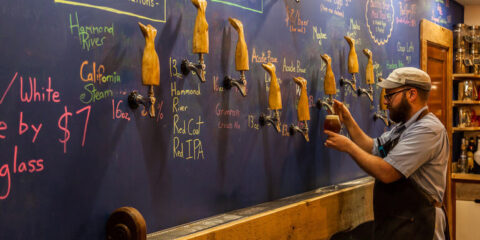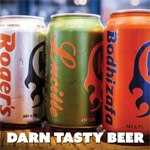

In Washington State, beer is more than a beverage. It’s a layered symbol of place, of economy, of rebellion, of control. From the lush hop fields of the Yakima Valley to the craft breweries clustered around Seattle’s urban core, the region tells a story through fermentation. But that story isn’t simple. It weaves agricultural heritage, working-class rituals, marketing performance, and political history into a drink that is now both local and global, traditional and hip, artisanal and industrial.
Online platforms, whether in distribution, social marketing, or unrelated digital economies like https://www.playamo.com, increasingly reflect the same logic: blend leisure with structured systems, surface authenticity with hidden architectures. Beer in Washington is no longer a static product. It’s a stage.
Hops and History
Washington grows more hops than any other state in the U.S., producing over 70% of the country’s supply. The Yakima Valley is at the center of it all—an agricultural powerhouse with deep indigenous histories and long migrant labor legacies. While IPAs and microbrews are sipped in downtown Seattle taprooms, the people who cultivate the ingredients often remain invisible.
Behind every can of West Coast Pale Ale is a field, a worker, a trade agreement, a water dispute. Beer is not apolitical. It is grown, processed, transported, taxed, and consumed within structures that reflect the broader contradictions of regional identity: liberal city, conservative farmland; tech-driven marketing, hand-picked crops.
Washington’s beer economy is where agriculture meets image.
Craft or Commodity?
The craft beer revolution promised something radical: authenticity, localism, resistance to bland mass production. But over time, many of these ideals have been absorbed into corporate structures. Major beverage conglomerates acquire small breweries, launch fake “indie” lines, and co-opt the language of rebellion for branding.
In Washington, the tension is visible. Neighborhood breweries coexist with tap lists curated by hedge fund-owned distributors. Limited-release stouts become objects of speculation. Tasting rooms resemble luxury stores more than pubs. What began as grassroots culture becomes an experience economy.
Craft is now a brand category. Its edge has been dulled—but not erased.
Seattle’s Pint Politics
Seattle plays a unique role in shaping beer culture. The city’s progressive politics, strong environmental movements, and deep digital industries intersect with its drinking scene. Breweries advertise sustainability. Taprooms double as coworking spaces. Menus include pronoun pins alongside beer flights.
But these surface commitments also mask deep inequalities. Rising rents push out older bars. Gentrification reshapes who gets to drink where. The neighborhood brewpub, once a place of community convergence, can now become a symbol of displacement. Even the culture of “beer knowledge”, styles, notes, and origins creates gatekeeping. Inclusion is curated. Access is aesthetic.
The pint, once working-class, now performs sophistication.
Festivals, Fandom, and Fragmentation
Beer culture in Washington thrives on events—tastings, brew fests, and limited can drops. These aren’t just about drinking. They’re about belonging. Collecting. Displaying knowledge. Socializing through scarcity.
Beer has developed fandom logic: shirts, pins, apps, and map-based check-ins. The beverage becomes a node in digital identity-building. It’s no longer just what you drink—it’s what you post, what you archive, what you rate.
And yet, the joy remains. Behind the datafication, there’s still room for absurd, spontaneous delight: a weird seasonal sour, a firepit behind a garage taproom, a bar where no one knows or cares about your Untappd score.
Beer is still playing. But it’s structured play.
The Shadow of Big Beer
Even in this vibrant ecosystem, large-scale brewing remains a force. Macrobreweries push low-cost lagers into grocery stores. They dominate stadiums, concerts, and distribution chains. In Washington, they sponsor festivals, advertise alongside highways, and maintain lobbying power in Olympia.
While craft brewers battle for shelf space, big beer quietly sets the rules. Licensing laws, distribution rights, labeling regulations—all are shaped by the players with legal teams, not fermentation tanks. The result? A marketplace that celebrates variety while silently narrowing control.
Behind every IPA is a contract. Behind every pilsner is a legal battle.
Beer and Labor
The people who make beer possible—harvesters, drivers, bottlers, taproom staff—often work under precarious conditions. While craft brands celebrate local roots, fair labor isn’t always part of the marketing.
Washington’s hop harvests rely on migrant labor. Brewery work is often seasonal and under-unionized. Urban hospitality staff face housing crises while serving beers priced for tourists.
Yet the myth of the brewer persists: bearded, independent, passionate, self-employed. The reality is more complex—and more unequal.
Lifting the pint should also mean acknowledging the hands that filled it.
Future Brewing: Climate, Tech, and Resistance
As climate change accelerates, beer faces new threats. Water scarcity, changing hop yields, and rising temperatures—each alters the equation. Washington’s beer future may depend on adaptation: new crop techniques, alternative ingredients, and energy-efficient processes.
Tech will play a role: AI-driven brewing, automated tap systems, and blockchain for supply tracking. But whether these tools serve equity or just efficiency remains to be seen.
Meanwhile, some brewers are pushing in new directions: co-ops, BIPOC-owned breweries, and regenerative practices. They remind us that the future of beer isn’t fixed. It can be rewritten, pint by pint.
Conclusion: Not Just What’s in the Glass
Washington’s beer culture is wide, strange, and full of contradictions. It’s a drink, yes—but also a symbol, a business, a political object. From the hop fields of Yakima to the sleek taprooms of Capitol Hill, beer reflects how a place wants to see itself—and how it’s seen by others. Behind every label is a story. Behind every pour is a system. Beer is still joy. Still community. Still, firelight and conversation.
But it’s never just beer.