Taprooms run on gaps. Some hazy IPA may require a little more time to settle, and nitro stout will require more time to build up a smooth and creamy head. When it gets busy on a Friday night, adding 10 minutes to the line at the bar can put the proverbial damper on a beer party, and efficient service is key to ensuring that everyone stays happy without rushing the pour. Those minutes used to be a lot of talking and little else. Now they’re stuffed full of all kinds of surprising habits, some old, some new, some of which indicate why people go to a taproom in the first place.
The Tap List as Reading Material
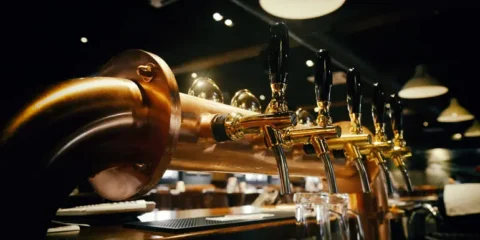
The oldest, yet the most overlooked downtime: studying the board. A tap list is read like a restaurant menu, except that other people read it for what’s different from the week before. A new fresh hop release, a lager that’s made a comeback, two counties away from the brewery. You can play the game with a friend by talking over the board and make the wait half the fun and a mini-planning session for the next game.
Bartenders see this as well. The good ones will provide you with a taster as you consider, and do two things. Allows the line to flow and provides someone waiting something to do with their hands and attention.
Board Games, Cards and the Shelf by the Door
There are lots of Washington taprooms with a shelf of outdated games at the front which have been broken or missing parts, a few cards in a rubber band, and a jigsaw puzzle that no one has ever completed. These shelves are not a gimmick; they are a necessity. A game provides a group with a common activity that outlasts interruptions, and that’s important in an environment where someone is always getting up to get a drink of water.
Short games win. A game of cribbage or a simple card game can fit in between two pours and it is common for a game that can fill the phone directory to be put aside halfway through. The ideal taproom games are the ones you can pause mid-game, go to the bar and resume the game without losing your place.
Board Games, Cards and the Shelf by the Door
A few rooms even dedicate part of the floor space to pinball machines, shuffleboard tables or a corner to a dartboard. The games have a different flavour. They’re more social, not in that type of way; you can just wander up to someone and sit with them and just watch them play, without feeling like you have to talk to them.
What Ends Up on the Phone
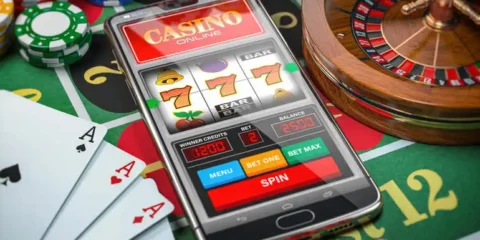
The phone is the obvious default, and it would be dishonest to pretend otherwise. Group chats, sports scores, and quick casual games fill a lot of taproom minutes, especially for anyone waiting alone for friends to arrive. Social games are part of that mix, and a sweepstakes casino is one of the lighter methods of killing a couple of minutes: a few spins of the free slot, a quick round or so, and then the phone goes back in the pocket when the beer arrives. It is not about the game; it’s about having a game that has a finite time and a finite space, like a crossword or a card game. The only thing is that the phone provides it without the other participant(s) at the table having to join in, and that’s some of its charm and danger.
Why the Wait Feels Longer Than It Is
Service researchers have understood the taproom gap for decades, even if they were studying bank queues rather than bars. In a 1985 paper that still circulates widely, David Maister set out a series of propositions about waiting, and management writers have been quick to revisit it often because it holds up so well. The first, and most well-known, is the feeling of time passing faster when you’re engaged in an activity than when you’re not. Serve a menu, a beverage, or a little chore and the time passes much more quickly.
Another is that individuals who have to wait alone perceive time more than individuals who have to wait in a group. Now that makes sense with regard to taproom behavior. All of them make minutes go by when they could be busy, when they could be busy on the tap list, when they could be busy on the taster, when they could be busy on the game shelf. This also could be why solo visitors to a brewery tap room are more likely to pick up their phones in anticipation of a new pour. If you’re not accompanied by a friend or group of friends, there’s always scrolling to fill the time until you find the next thing to do.
The Case for Putting the Phone Down
There is a cost, and it has been measured. In a field experiment at a café, researchers at the University of British Columbia and the University of Virginia split more than 300 people into groups of friends and family and asked some to keep phones on the table while others put them away. Those with phones present reported feeling more distracted and enjoying the meal less. The effect was modest, and the lead researcher was careful to add that occasional phone use is unlikely to ruin anyone’s social life. This is a different situation when used with others whom you care about.
It’s a handy separation for a taproom. It’s okay to take a few minutes on a phone to just wait alone. When four people at a table are all scrolling away, while their beers are getting warmer, it’s a kind of lost time.
The Room Is the Point
The taprooms that handle downtime best tend to understand that people came for company as much as for beer. Renton’s Brewmaster’s Taproom, which marked ten years in August, has built its whole identity around being a neighborhood living room that has welcomed everyone through the door, dogs included. In a space like that, the gap between pours is not dead time. It is when the conversations start.
Between the Foam and the First Sip
The last time you were standing in line for a long drink, observe what you do during that time. A taproom is more than a good pour of craft beer; it’s a place that puts people in a frame of mind to look up from their phones. The wait between pours can be part of the experience, with a notice board for the brewery, a table game, or a friendly conversation with another guest. There’s nothing wrong with that; the phone will always be there as a backup. Just be sure it is out of the way when the glass hits the counter.