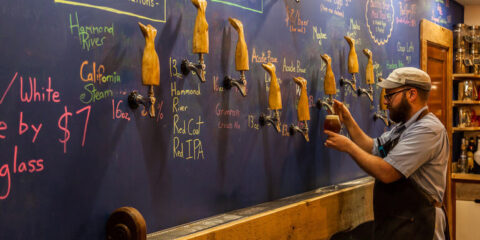

Nowadays, taprooms are stepping up their game to welcome everyone. No longer just a haven for beer enthusiasts, these spaces are evolving to cater to diverse tastes and preferences. Many taprooms are now expanding their menus with non-alcoholic brews, seltzers, and even craft sodas, all while maintaining their core focus on quality beer. This inclusive approach not only broadens their appeal but also strengthens the sense of community that has always been central to the craft beer experience.
These establishments are breaking down barriers and welcoming new patrons through their doors for gluten-free options or nonalcoholic beverages. In this post, we’re going to delve into how taprooms succeed in drawing in a more diverse crowd and find out the unconventional tactics that they employ so that every guest feels welcome. Come learn about this exciting trend that is changing the way you experience craft beer.
Understanding Taprooms Today
Today, taprooms aren’t just tasting rooms; they have become an essential part of our craft beer landscape. They are a place where people of all ages and backgrounds are welcomed. But they have now added gluten-free and non alcoholic options in order to allow people who would not perhaps consume traditional alcoholic beverages to do so. They provide a neutral (frequently optimistic) environment that facilitates conversations around people’s various needs and preferences.
To survive, taprooms have decided to diversify and be creative to help renew themselves, establishing new ways of working, like community events, and partnering with the local government and organizations. The trivia nights, the live music, and the food trucks get you different types of customers buying the same product. Even some taprooms hold educational sessions about brewing processes, or tasting techniques, polishing this up a notch in engaging customers.
That’s not to mention inclusivity, offering unique products like CBD-infused beverages that line up with today’s trends. Now, wellness is an area that appeals to those who are health-conscious. Beverages such as these help taprooms reach these kinds of customers.
An attentive staff trained to serve different client conditions is also important in creating an inviting atmosphere. We know that our audience is broad, and may have different tastes or dietary restrictions, which is why we put a lot of emphasis on dealing with staff who can show people around what they offer. Because of this, this customer-centric approach has a community feel that makes sure that everyone is welcome.
As a result of this, taprooms become intertwined in the craft beer community. They offer numerous options that not only target the currently existing beer favourite patrons but also push other customers in the beer industry into this enriching beer experience.
The Importance of Inclusivity in Beverage Spaces
Inclusivity plays a critical role in enhancing the customer experience in beverage spaces, allowing taprooms to connect with a broader audience. By embracing diversity, taprooms foster a welcoming environment that encourages social interaction and community building.
Diverse Beverage Selections
Attracted to the diverse beverages, varied customers have preferences. Now, taprooms serve gluten-free beers and nonalcoholic drinks as well as other fancier options such as CBD-infused beverages. These particular ones are good for health-conscious and diet-restricted consumers. Taper rooms, with their broader choices, are attractive to the craft beer aficionado as well as to the person looking for an alternative. Expanding the customer base is just part of what this approach accomplishes, though – it also enriches what taprooms are supposed to be.
Accessibility Considerations
Accessibility considerations welcome and include all customers. Features of taprooms include wheelchair ramps, accessible seating, better signage, and easier navigation to improve the experience of persons with disabilities. Creating widespread staff training on accommodating each one’s different needs makes the environment supportive. Sensory events are designed to incorporate events that are sensory-friendly for those who have sensory sensitivities so they can engage comfortably.
If taprooms understand accessibility, they remove barriers that make those spaces off-limits to certain groups of people and may discourage others from coming in. When taprooms are accessible to everyone, regardless of someone’s mobility, gender status, race or ethnicity, age, or any other difference, then everyone can enjoy not only the social aspect but also the flavor and experience of the culture that craft beer makes available to everyone. Through this approach, they will be able to strengthen their role as welcoming community hubs for all.
Engaging Different Demographics
Taprooms are evolving to engage various demographics, offering inclusive options that resonate with different preferences and lifestyles.
Families and Non-Alcoholic Options
More and more, families come seeking a place where all ages might find something to do. This is why taprooms are successfully addressing this demand by providing a range of non-alcoholic choices, such as house sodas and craft mocktails that mums and tots will like. Kid-friendly spaces, with play areas or family game nights, are a plus in the family experience. These offerings help to provide a more family-friendly environment that doesn’t have the pressure of alcohol. Having gluten-free options in there also caters to dietary needs and makes it more alluring to health-conscious patrons.
Embracing LGBTQ+ Communities
Welcoming the LGBTQ+ community helps make taprooms a place where they feel at home. Pride events, drag shows, and themed nights have become the norm in many taprooms that celebrate diverse and inclusive venues. Staff training diversity in turn trains the team to respect and understand the unique customer experiences that will strengthen the connection. In fact, taprooms are said to create inclusive spaces by engaging in partnerships with local LGBTQ+ organizations. Initiatives like these don’t just draw in LGBTQ+ patrons, they also create a community for people to become social and build a community regardless of who they are.
Innovative Events and Experiences
Taprooms are embracing innovative events and experiences to engage a wider audience. These activities not only attract a diverse customer base but also create vibrant communities centered around shared interests.
Themed Nights and Collaborations
Themed nights in taprooms tend to prevent each venue from appealing to a general audience. Patrons engage in trivia competitions, game nights, and cultural celebrations in unique ways. These themes can be enhanced through collaborations with local artists or organisations to bring exclusive drinks or entertainment. For example, a craft food and beverage pairing night will bring in local suppliers, and “Pride Night” would be an LGBTQ+ artists and special drink offerings. Such initiatives create an enjoyable and inclusive environment for people of different ages and interests.
Community Engagement Initiatives
Taprooms actively participate in community engagement initiatives, further broadening their appeal. By collaborating with local charities, hosting fundraisers, and offering workshops, ranging from wellness to introductory brewing techniques, they draw in diverse community members. These efforts not only foster local connections but also highlight the taproom’s role as a hub for both craft beer appreciation and meaningful interaction. For instance, events that educate consumers on the benefits of CBD treatments, like cbd treats for dogs, highlight health-conscious topics and promote responsible consumption. Additionally, programs aimed at families, offering kid-friendly activities, enhance the taproom’s reputation as a community hub, encouraging ongoing patron participation and relationship building. For more insights on inclusivity in the beverage industry, check out the Brewers Association.