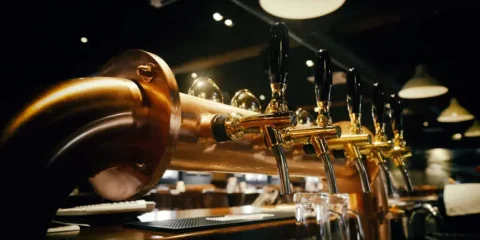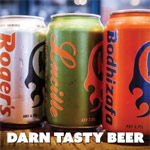
From a dinner party to a special event, or a gathering of friends, drinks are usually the focal point of the gathering. Traditionally, alcoholic cocktails have been centrepieces of parties, but there is a greater choice of cocktails available on the menus today. There are a couple of beer styles – whether it is a crisp pilsner, a fruity wheat beer, or a non-alcoholic choice, they will provide options for guests to have something they enjoy. Mixing it well will allow you to incorporate a bit more variety, satisfy different appetites, and make it a fun and friendly event.
Fruit-based mocktails, sparkling refreshments, botanical drinks, and other non-alcoholic options provide alternative options for hosts to make a comfortable drink menu. The non-alcoholic Kava Drinks add another option to this changing landscape. Made with Kava, a plant native to Pacific Island regions, these beverages bring a distinctive ingredient into contemporary drink preparation.
Why Non-Alcoholic Kava Drinks Are Entering Modern Social Menus
As social drinking practices change, hosts and venues are increasing their menus to cater for guests who don’t enjoy alcoholic beverages. Kava may also be used in drinks for events for a distinctive flavour and a laid-back party. As they gain popularity, they are a sign of the greater availability of a whole spectrum of drinkable choices that can better accommodate diverse tastes and preferences and help to make modern social occasions more inclusive.
Alcohol-free entertaining is becoming more varied
It doesn’t have to be a drinker’s party. Some guests might opt for sparkling water, some might opt for a fruity mix that they are not familiar with, and others might just want a fruit cocktail. Giving options can make the beverage menu more accessible, without being too complicated to prepare.
Non- alcoholic Kava Drinks are part of this more general strategy, providing a unique choice of kava. Instead of exclusively serving fruit juice or flavored soda, hosts can try a beverage that has a different ingredient combination, beverage type, and/or serving size. This makes for variety in what guests are able to drink once they have discovered new drinks.
Kava has a Unique Cultural Heritage.
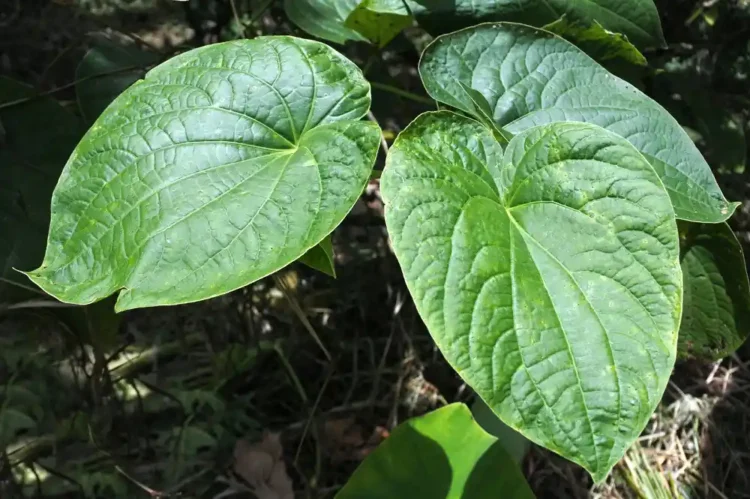
Piper methysticum is a plant of cultural importance in communities throughout the Pacific, and kava is made from the root of this plant. The traditional methods of preparation and consumption of kava are unique to different communities, and the beverage has long been linked to social and communal occasions.
For those who are curious about Non alcoholic Kava Drinks, this background provides some context outside of just a drink and a recipe. Kava is a product with a proven track record, and the new marketing does not necessarily need to be considered as a new product idea; it could be seen in the context of history.
How To Choose Kava Drinks For Different Occasions?
The type of occasion and the desired mood will determine which kava drinks to choose, as will the taste preferences of the attendees. Simple and refreshing foods are good for informal events, while for formal events there are a variety of flavors and serving styles. Another aspect is reading the ingredients, cooking instructions, and portion sizes, which also helps hosts to offer the right type of foods for different types of gatherings.
For casual get-togethers, just prepare simply.
Convenience might be more important than a fancy display for a casual get-together with friends. An easy-to-measure-and-serve product with a few simple mixers allows for easy product preparation and more time for the host to interact with guests.
When comparing non-alcoholic Kava Drinks, see if it is ready to drink, meant to be mixed with other drinks, or simply for mixing. These formats need to be prepared in various ways. The amount and any suggestions for additions should be indicated by the product label.
A well-thought-out wine list makes a difference at dinner parties.
People attending dinner parties tend to have different tastes for food and drinks, may have many courses, and taste different food flavors. A kava-based beverage may be used as a component of the menu if it is well described and offered in accordance with the product’s instructions.
For hosts, it is worth considering offering options without Kava. Not all guests will be interested in a new flavor, and an excellent drink list will give individuals the options to make their own selection without being pressured.
Mixers And Serving Ideas For Kava-Based Beverages
Kava can be a more enjoyable and appealing beverage with the proper mixers and methods. Simple garnishes, chilled citrus, and coconut water flavors may help balance the earthy flavor of kava and can help make it more appealing. At a social function, a few select combinations can be utilized to provide attendees with an opportunity to taste some different flavors and find one that they like.
The recipe is simple, especially with the addition of sparkling water.
A refreshing, easy-serve option, sparkling water is a great mixer. It is carbonated, giving it a nice texture, but not too overpowering a competing taste. Add measured Kava beverage to sparkling water and serve in an appropriate glass, according to the instructions.
A hint of lime or lemon lends a more tart flavor, and a tiny bit of citrus garnish finishes it off. These citrus tones are also great in beer-appropriate party menus, such as paired with wheat beers, citrus-flavored pale Lagers (either light or with lemon wedges). Sweeteners are welcome as an optional ingredient, but must be used sparingly as the predominant flavour of each must be apparent.
Fruit juices add sweetness and colour
Different flavors can be achieved by mixing Pineapple, orange, and Cranberry with a suitable Kava product. The pineapple adds a tropical sweetness, the orange adds a familiar citrus element, and the cranberry adds a slightly more acidic element. The right one to use will depend on the flavor of the product and the desired flavor.
The fruit-based combination can also help add some variety to the fruit drinks available at the beverage station for Non- alcoholic Kava Drinks. The attractive presentation is achieved with clear glasses, fresh fruit garnishes, and the same portion sizes.
Practical Considerations Before Serving Kava
When preparing kava, testing the ingredients, providing instructions, and taking into account guests’ needs are important considerations before serving. Hosts are advised to review the labels on the products, adhere to the recommended serving sizes, and give clear details about the contents of their drinks. Care must be taken with the use of kava, and it has been associated with rare but serious liver issues; some medications may interact with kava.
Look for formulation and manufacturer’s directions
Kava may be used in a variety of different ways, may be formulated in different strengths, may contain different ingredients and may have different amounts. A ready-to-drink beverage may not need anything added, but a concentrate or spirit-based product may require an appropriate amount of the substance to be added plus the appropriate mixer. The term spirit does not imply or indicate product ingredients or product preparation requirements in a product name.
When considering using non-alcoholic Kava Drinks on a menu, read the product label and follow the manufacturer’s instructions. Don’t estimate portion sizes or presume directions for one product are the same for another. In the event the label is not clear, consult the manufacturer before serving.
Avoid mixing Kava with alcohol.
Discrepancy between alcoholic and alcohol-free options should be clearly marked in the menu. Kava should not be mixed with alcohol, and guests should be able to determine which drinks have Kava in them.
Clear glassware, separate serving areas, and clearly labeled bottles will minimize confusion during an event. Hosts should also not claim that Kava products are suitable for everyone, as they are promoted as being non-alcoholic. The information on a product is important, and if you’re not sure whether you should use Kava, you should ask for properly qualified advice before using it.
Creating a Balanced Drink Menu for Any Event!
Kava is a unique addition to the world of modern non-alcoholic beverages and culture. It has a rich palette of flavors, different formats, and possibilities for pairing it with some mixers, making it easy to serve and more fun to make a mocktail. This will depend on the product, the event, and the tastes of the end-users. There is also the option of a social menu that features craft beer and alcohol-free beer, which can help provide more variety to cater to tastes. With knowledge of its ingredients, preparation, and serving directions, a non-alcoholic “kava” beverage can be found that can provide an extra dimension to the choice.