Dinner rush used to mean one thing for a host: juggling names, scanning the room, and hoping the paper chart held together until close. Today’s reservation book has gone digital and then some. Modern hospitality systems do more than hold tables; they help breweries and restaurants optimize the guest experience from the moment a booking is made.
These tools can anticipate table turnover, streamline server assignments, and catch scheduling conflicts before guests even arrive. With real-time data guiding decisions, front-of-house teams are better equipped to deliver smooth service, whether it’s a busy Saturday dinner rush or a packed beer release night.
First Impressions From Owners and Hosts
The tipping point often happens on a single busy night. A small bistro loads its bookings into a new platform, flips a switch, and watches the queue smooth out. Phone calls drop. Walk-ins spend less time clustering near the bar. The phrase, restaurant reservation software, pops up in the recap meeting as the reason nobody felt overwhelmed. Managers see fewer half-empty deuces stranded next to crowded six-tops, and service feels less like firefighting and more like choreography.
How the Algorithm Thinks
Behind the friendly touch screen sits a routine that looks for patterns. It checks party size, expected meal length, and server workload, then shuffles slots to keep covers and tips even. The code is not magic. It follows the rules humans feed it, yet it does the math faster than any clipboard. Hosts who once penciled arrows in margins now tap to swap a four-top for two couples, confident the system already recalculated turn time.
What the software weighs before it picks a table:
- Current turn speed for each section — slow tables slow the whole night.
- Walk-in volume at the door and average wait quoted ten minutes ago.
- Upcoming large parties that could block two smaller seatings if mis-timed.
- Server rotation so one person is not triple-sat while another stands idle.
All that data moves under the hood — a steady pulse that keeps the room’s shape flexible while still protecting promised times.
The Human Side Is Still in Charge
Some front-of-house teams worry that introducing tech will make service feel impersonal. But when implemented thoughtfully, that’s far from the case. Hosts still welcome guests with a smile, read the room, and handle special requests—it’s just that the system quietly supports them behind the scenes.
If a couple arrives with a stroller, a maître d’ can override the suggested table with a quick tap and seat them near the aisle without missing a beat. The best tools don’t dictate—they adapt, helping service stay smooth, human, and focused on the guest.
Here are the soft skills that keep tech from feeling cold:
- Hosts maintain eye contact instead of staring at the tablet while talking.
- Servers check in face-to-face before the system sends a “table ready” alert.
- Managers walk the floor to confirm the digital map still matches the real chairs.
- Someone always knows how to reboot the router — just in case.
- Apologies are spoken, not tapped, when a glitch bumps a guest.
Why the Numbers Matter to the Bottom Line
Guests feel the smoother flow first, but owners see it later in the P&L sheet. Fewer no-shows, tighter turn times, and balanced sections add real dollars to nightly revenue. Those gains explain the continued buzz — and why so many operators bookmark the deeper dive in this article before choosing a vendor. A short list of measurable wins usually seals the deal: seats filled instead of empty, fewer comps given for long waits, and slightly higher tips that help retain staff.
Training Is the Real Secret Sauce
Even the smartest platform sputters if nobody takes time to learn it. The best rollouts block off an afternoon, load dummy reservations, and let hosts practice swapping tables under a ticking clock. By service, muscle memory kicks in. An extra five minutes of role-play saves ten minutes of panic during a live rush. Staff see the tool as a sidekick, not a boss.
Looking Ahead to Smarter Invitations
Next-gen builds are already testing voice input, so a host can tell the tablet “seat party of five near the window” without lifting a finger. Predictive prompts will suggest adding extra bread to the prep list when a big carb-loving group hits the queue. The tech keeps inching closer to the real-time intuition of a veteran maître d’, but with infinite patience and zero ego.
The Balance That Stays Timeless
All the data, color-coded seats, live countdowns, and predictive insights only matter because guests still crave a genuine, human welcome. The software handles the logistics in seconds, freeing up the host to focus on what counts: conversations about dietary needs, special celebrations, or which seasonal salad pairs best with the house of west IPA.
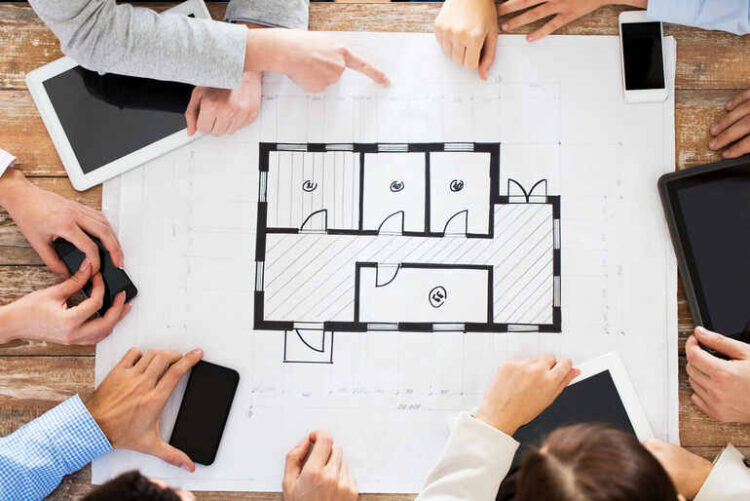
This seamless blend of digital precision and personal hospitality is why smart floor plans have evolved from novelty to necessity. It’s not about replacing the host stand; it’s about empowering every host to bring calm, attentive service, every shift, not just on perfect nights. With leadership support, including insights from the new VP overseeing guest operations, teams are finding it easier to adopt these tools in ways that enhance rather than replace the warmth of the front-of-house experience.