
Talk to any serious beer drinker about the form of beer that they like, and you are likely to begin an argument. Some will claim that there is nothing like a freshly filled pint poured from the tap, and others will claim that a can better preserves beer freshness. The reality, as is the case with most aspects of the beer industry, is more complex than either camp would care to acknowledge. The two formats contribute to the experience in breweries and bars, shaping the sense of flavor, how people share beers with friends, and the mood on a given night.
Considerate packaging, in a brown bottle or an icy glass, adds to the experience of sipping a beer at a game or a party, so that we are still focused on the shared fun, but not the package. The way a beer reaches your glass shapes the experience in ways that go beyond simple snobbery or personal habit. Much like how people exploring the best online casinos in Andorra discover that a chosen platform influences how they engage with the experience, the delivery mechanism for beer genuinely affects the product. Packaging affects light exposure, oxygen contact, temperature stability, and the way carbonation behaves by the time the beer reaches your palate.
What Science Says About Cans?
The canned beer has long suffered a poor reputation. The belief was that metal gave a metallic flavor, and it remained even after the technology of the can was viewed to have advanced significantly. The cans of beer that are used today are coated with a thin layer of polymer that does not allow the beer to be in direct contact with the aluminum, and this, in effect, removes any significant chances of transfer of the metallic flavor to the beer.
The Light and Oxygen Problem
Lightstruck beer occurs when some UV light enters glass bottles, even dark brown bottles, and reacts with hop compounds to form the off-flavor commonly called skunkiness. Cans block out all the light, and they also provide a more effective barrier against oxygen entry during storage; the beer within the can lasts longer. In the case of hop-forward-focused styles such as IPAs, in which freshness is all that matters, it is not the focal point.
The data backs this up. Studies on dissolved oxygen levels in packaged beer consistently show that well-seamed cans introduce less oxygen during the filling process than bottles, particularly on smaller packaging lines. For craft breweries operating at a modest scale, that margin genuinely matters.
The Case for Draft
Being well-maintained, at the correct temperature, and dispensed through clean lines, the beer reaches the glass with the maximum amount of carbonation and does not encounter the same variables that are present in packaged formats. There is a minor touch to the experience provided by the ritual of the pour, which is the shape of the head, the coldness of the glass, and the perfection of a good bartender, to remind fans that craft beer is not only about the taste but also about the ambience and the way it is presented.
The Problem with Draft Lines
This is where the matter becomes tangled. The hygiene and maintenance of the system that serves a poured draft beer will completely determine the quality of the beer served. Dirty lines are also among the most widespread off-flavors in bars and pubs, and the issue is so widespread that even seasoned drinkers will tend to experience it without having the slightest clue of the source.
According to the Brewers Association, line cleaning should happen at least once every two weeks, but many establishments fall short of that standard. A well-kept canned IPA will frequently taste better than the same beer served through lines that have not seen a cleaning kit in a month.
Does the Glass Matter Too?
It does, which most people do not know. Perceived flavor is influenced by serving temperature, the shape of glasses, and the cleanliness of vessels. To illustrate, carbonation acts in a tulip glass unlike it does in a straight pint glass, and aroma, which contributes a considerable percentage of what we consider flavor, is either brought to the fore or scattered depending on the shape of the rim. That is why certain brewers have begun to endorse special glassware to certain styles, which would have appeared too high-falutin’ed a decade ago, but is currently being taken into serious consideration.
How American Craft Breweries Have Embraced the Can
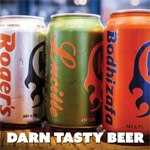
In the United States, small breweries have shifted decisively to cans during the last ten years. A simple and convenient option adopted by a few of the first adopters has now become a standard in the industry. Small-batch taproom breweries to larger powerhouse breweries around Maine to California have established their reputation on canned releases, which showcase the best of craft beer, travel well, stay fresher, and reach consumers who may not visit the brewery physically.
A large part of it has been caused by the portability aspect. Bottles are heavier than cans, pack better, and can be allowed in outdoor events, stadiums, and parks where glass is prohibited. To a nation that values its outdoor recreation as much as its beer, that utility is no insignificant selling point. Draft has a special place in the taproom, which it is likely to have always had. However, the difference between a well-packaged can on the one hand, and a well-poured pint on the other has become so small that the old pecking order is no longer truly relevant.
So Which Format Actually Tastes Better?
The true answer is that it depends on the terms. A new can of a well-prepared IPA, drunk within a couple of weeks of being packed, will shine even beyond a brewery, whereas a freshly preserved keg served at the right temperature in a clean glass in a brewery that made the beer a few days ago will give a feeling of the care put into every pull of the lever. Experiences like these from local breweries highlight how presentation, freshness, and attention transform beer from a simple drink into a centerpiece of a game night or party.