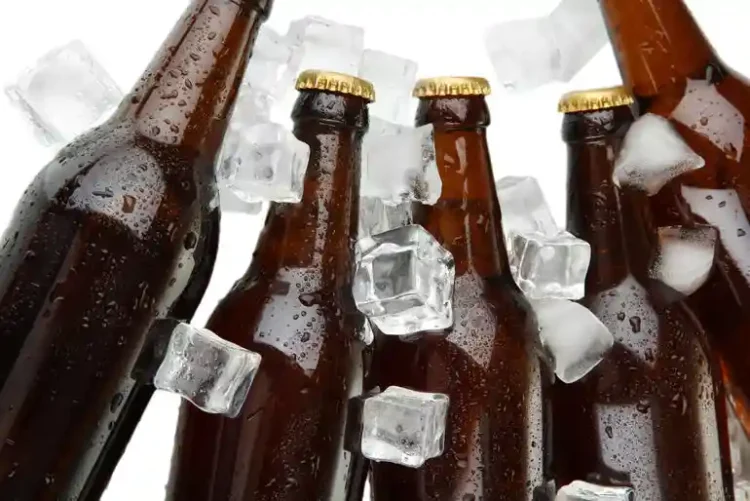
It’s good to have a cold beer when the big heat strikes on a hot afternoon for a reason. People’s perception of taste, smell, carbonation, bitterness, and even texture is influenced by temperature. This is the reasoning behind the different sensations that the same drink might offer after just one additional bottle or glass from the same brand, due to chilled vs. room temperature.
Whether “astronomically better” is an accurate depiction of temperature preferences is a statement that each individual will need to make for him- or herself, though there is some astounding physics to why many prefer that beer be chilled. This isn’t just about actually lowering the temperature of a beverage. Requires several aspects of human sensory perception.
Temperature Changes How Flavor Is Perceived
One of the biggest reasons temperature matters is that our taste and smell systems respond differently as a beverage warms. A warmer beer can release more volatile aromatic compounds, which can affect how we perceive the freshness and character of a beer. These molecules help make the Organoleptic sense of smell, and thus impact brain perception of taste. More aroma is fantastic for some styles, but can bring stronger or more noticeable backgrounds to others.
Some aromatic compounds have a lower volatility at 33°F. This can help to provide a purer, less extraneous sensory experience. The flatter side of the finish could be a reason for preferring cold beer over others.
Cold Drinks Feel More Refreshing
Temperature is also a variable in the physical taste of consuming beverages. A cold drink is something that is cooler than the temperature of the mouth and environment of the drinker, and the drinker will register the difference. During hot weather days, that contrast will create an instant feeling of coolness.
This will not just apply to beer. Creating refrigeration effects is particularly enjoyable with the help of water, soft drinks, fruit drinks, and carbonated beverages. Beer just adds the cooling, which is accompanied by the highly distinctive flavor profile, but also carbonation, something many local breweries consider when serving beer at its best temperature.
Carbonation Plays an Important Role
Another big contributor is carbonation. When you consume beer, it contains carbon dioxide gas, which will produce those famous bubbles and also play a role in beer texture. The temperature affects the behavior of gases in liquids; beer in a family that drinks their brew before the others can contain more carbon dioxide when colder than the other ones.
A good tint of fresh bubbles helps to impart some liveliness and crispness to a cold beer. As beer warms up, conditioning and mellowing may cause it to feel a little “heavier” to drink. That’s a distinction someone looking for a refreshing drink may notice.
Why Warm Beer Can Taste Stronger
Temperature can also change the way certain flavors are experienced, as taste research has shown that sensory perception can shift as a beverage warms. Aromas are more noticeable, and some attributes may be easier to notice as the beer opens up as it warms. Those may be the malty notes, fruity, spicy, roasted, hoppy, or alcoholic properties depending on what type of beer it is. It is NOT necessarily a bad thing.
There are also some beers that are purposely kept warm due to the need to increase aroma/flavour levels and to obtain a fuller body in the beer. For instance, a high-ish aroma craft beer can be engineered to show more of its aroma profile or organoleptic qualities as it warms. This is because the ideal temperature of a drink will depend vastly on the style and the tastes of the drinker.
Cold Does Not Automatically Mean Better
It’s a misconception that colder is always better. Very low temperatures will inhibit flavor and aroma. When a product gets too cold, some subtle qualities in the drink could be hard to perceive.
This is quite an unusual twist. A warmer serving temperature may give off more aromas and flavors, while a moderately chilled beer would emphasize its crispness and its freshness. That is, it is not just a matter of what the drink tastes or smells like in itself; it adds to the enjoyment or displeasure, depending on the flavor and the current mood.
The Weather Can Change Perception
The outside air temperature also affects people’s perception of a beverage. A chilled beverage can be especially inviting in the heat due to the difference in temperature’s effect on the body and brain. So it’s possible that, on a hot day, a cool drink tastes better than a warm drink, while on a cool day it’s more palatable than a chilly one.
One of these factors is why a preference for beverages may relate to seasons, places, and activities. The sensory experience is not occurring in isolation or by itself! A drink’s taste is influenced by personal taste/preference, expectations, surroundings, and temperature.
The Psychology of “Refreshing”
There is also a psychological component. People develop associations between certain sensory experiences and relaxation. A cold beverage can become associated with social gatherings, meals, vacations, sporting events, or simply taking a break.
Those associations can influence expectations before the first sip. Interestingly, the same psychological principle appears across digital experiences. Someone playing Bingo online on GameZone, for example, may associate certain visual designs, sounds, and interface interactions with a particular type of leisure activity. In both physical and digital environments, expectations influence how people experience what is happening.
Why Glassware and Serving Conditions Matter
With temperature being one variable. The container experience can be the same as well. Serve according to temperature and carbonation, and variations in glass shape will affect the collection of aromas in the liquid above the glass.
Therefore, a cold bottle, can, or glass may elicit slightly different experiences even with the same beverage. This is part of the reason beer conversations can be more of an “is it cold” discussion. There are various interactions that are possible between serving temperature, glassware, carbonation, aroma, and beer style.
How Temperature Affects Different Beer Styles
All beers are not the same. People often think about light lagers as being chilled, as the crispness and effervescence may stand out even more if consumed at a cool temperature.
In the meantime, a few ales and darker beers might be enhanced by being served slightly warmer. More warmth can make aromas and enticingly nuanced flavors more prominent. Hence, you don’t want to go to the trouble of “making every beer as cold as possible.” When deciding upon the beverage, it is essential to think of what characteristics you want the drink to demonstrate.
The Bigger Lesson About Temperature
“Cold is the ultimate reason for a cold beer to show its own right around this maketheness thing”. A cool drink can appear refreshing and characterful in the chilly season, and protects distinct odors, but with low temperatures. Warm temps might denote more depth, but there could also be a lack of coolness to the beverage during hot weather.
Similar applications are found in daily technologies and entertainment. Sensory elements, setting, expectations, and individual tastes are all part of the overall experience of playing online on GameZone, and can impact whether someone at any moment is in an enjoyable situation with their beverage, or one that could lead to their being in trouble. So, is there an objective improvement in tasting the cold beer? Not necessarily. For many, however, the calculation of temperature, carbonation, and an invigorating contrast of sensations is the reason it can be so dramatically better, similar to how better ice taste can influence the perception of other chilled drinks, especially when the surrounding environment is warm.