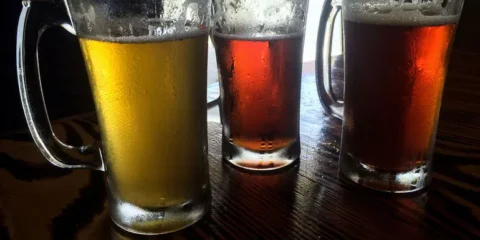
There’s a unique taste to explore within Washington State. Whether it’s a hoppy discovery, a fresh lager, a barrel-aged release, or an experimental seasonal brew, these fresh offerings can all be crafted into an informal, uplifting evening of beer.
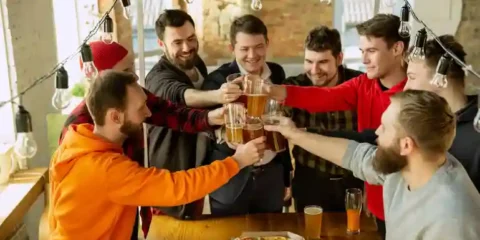
A bottle share is a great opportunity to take a laid-back look at those beers with friends. One or two will be brought by each member, a small pour of each selection will be given to all, and then discussion will take place about what was picked out. Food and brewery stories go a long way to making dinner table lively and enjoyable, without making it a formalized tasting class.
Build the Lineup Around Contrast
A good bottle share does not require a refrigerator packed with rare releases. Four to six carefully chosen beers can provide enough variety, particularly when they represent different styles, ingredients, or parts of Washington. Adding an interactive game can also make the tasting more engaging, giving everyone a simple way to compare flavors and share their impressions.
Even if you’re in the mood for a light lager or wheat brew or a pale ale, porter, or other specialty releases, it’s a great way to start. Serving the beers in an appropriate sequence can prevent the overpowering of terrific flavor by more subtle beers. Many great stouts will instead be used as an aftertaste and may not be used in the first quarter of the brew. Contrast is useful to make the evening more interesting – this occurs between different regions. Beers could be brought from any of these Seattle areas my guest brings to us, along with their smaller counterparts that other guests may not have had a chance to sample: Seattle, Tacoma, Spokane, Bellingham, Yakima, and other smaller communities. Then flavor ceases to be the topic of discussion and intriguing areas open up for the exploration of various breweries, neighborhoods,s and local beer cultures.
Give the Evening a Rhythm Beyond Tasting
Even with one glass of wine on the weekend, one does need short breaks. Taking several that aren’t spaced out can lead to flavors mixing together, and a bunch of technical talk can make the night seem more serious than desired. With a table game in between the tasting rounds, the flow changes and provides yet another opportunity for entertainment. It will typically take minimal rounds, have simple rules, and allow individuals to still have plenty to say to one another. Some games of strategy require too much time and concentration; other games of cards or party games that are known to the children will leave time for conversation.
Hosts who want to introduce something unfamiliar can consult Playiro before the event. There are clear guidelines to choose a card, board, or party game that suits the group, and the rules are easy to explain and will not occupy 50% of the time that is usually wasted reading through an instruction booklet. The game should help to gather, but not take over. Suggestion: 1-2 laps are sufficient to get the next beer before the conversations and a friendly competition continue by themselves.
Let Every Beer Bring a Story
It’s a lot easier for people to remember beer than they are to remember the beer advertisement. When it’s brought in, the individual can give the name of the brewery, a recent visit, an upcoming release that they’ve been waiting for, or simply the name of the beer.
The label can also offer beneficial dialogues. Simple starting points when it comes to ingredients, brewing style, alcohol content, and the location of the brewery don’t need an expert. If the beer brings together Washington-grown hops, fruit, grain, or something local, keep in mind such an assortment.
There is no need for formal scoring sheets unless the group enjoys them. A few shared observations about aroma, flavor, texture, and finish are often enough, while stories of the year can add a personal touch by giving guests a chance to connect each beer with memories and experiences. Guests should feel comfortable saying that they simply enjoy a beer, even if they cannot describe it using technical vocabulary.
Food Should Refresh Rather Than Compete
It is best to use bottles when food is provided from the start. Eating options like bread, crackers, cheese, roasted nuts, vegetables, and simple sandwiches provide something filling for visitors to eat between sips and make the palate “crisp” again.
Using stronger flavoured dishes can be added later, particularly if darker beers or more intense beers are used as the last beers. Discover how spicy food, smoked meat or rich desserts can enhance a certain variety of beer, but may otherwise make them less palatable in the first half. Water should be within view and accessible during the night as well. Drinks will be offered, including some good nonalcoholic options, which makes the party feel inclusive for those who are taking a break, driving, or not drinking alcohol at all.
Decide on Transportation Before Opening Anything
A bottle share may take place in someone’s home, but the responsibility to plan a safe journey remains the same. Transportation should be discussed before the first beer is poured, not at the end of the evening when judgment may already be affected.
The Washington Traffic Safety Commission recommends choosing a sober driver in advance, using public transportation, booking a taxi or rideshare, or staying overnight when possible. These arrangements are easier to follow when they are agreed upon before drinking begins.
Small tasting portions help maintain the character of the event, but they do not guarantee that someone is safe to drive. Beer strength varies considerably, and several small samples can add up. The host should be prepared to stop serving, arrange a ride, or offer a place to stay if plans change.
Small Pours Create More Room for Discovery
The idea of a bottle share is to compare, not to complete all the bottles. Tasting glasses help to ensure the pace doesn’t get too fast by allowing multiple people to sample the same beer.
Many times, a bottle or a can can be served to multiple people. Specialty bottles work great for this, particularly larger specialty bottles that can house larger or more robust beers for leisurely drinking. No one should feel compelled to take a shot or to complete a beer that he does not like.
Less means less waste! If one beer turns out successful, guests can sip it later on, and if it isn’t successful, they can converse about it instead of helping to bear it in a large portion.
Leave Space for Personal Taste
Beer enthusiasm sometimes creates an unnecessary pressure to admire rare, strong, or unusual releases. A shared bottle is more enjoyable when personal taste is treated as part of the experience rather than as a test of expertise.
Some people like a beer that’s clean, and others like something with more hops or with some deeper color. It’s not a better or worse answer; both of them are pretty dumb. By comparing those reactions, one can discern the difference in how individuals might taste and feel bitter, sweet, acidic, and aromatic.
A few options for closing the tasting are a simple favorite-of-the-night discussion or a virtual game of 20 questions, which would be better suited to a much longer tasting. The people at the gathering could also make a mention of a single beer they would want to try once more, and one beer they would like to discover more about.
Send Everyone Home With a New Recommendation
The best bottle share isn’t just for emptying a couple of bottles. Exposes guests to a brewery, style, or portion of Washington they may wish to explore at a later time.
As the evening ends, the group can discuss which brewery they would all suggest for beer, the spot to pick up beer, and what beer(s) they may be considering in the next few weeks. However, empty cans or pictures of the labels will be very helpful as a record without putting anyone through much trouble to continue with their detailed notes throughout.
Washington beer already carries a strong sense of place and community. A thoughtfully planned bottle share helps build community around that culture, bringing small pours, simple food, local stories, and an easy game to one table for an evening that feels both relaxed and memorable.