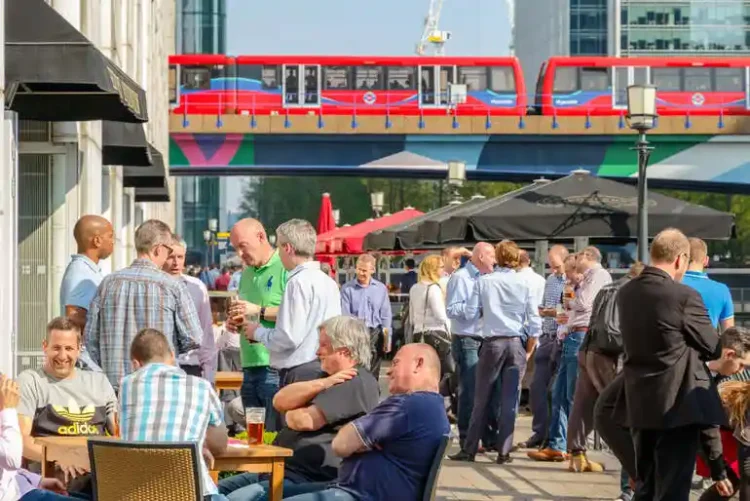
Every Seattle beer drinker has a version of the same daydream. You’re done with work, walk out the front door, and 10 minutes later you’re holding a new pour at your local taproom. But that accessibility can make a local brewery a weekly habit, offer the prospect of enjoying seasonal releases, chat with the team, and savor a quality brew without it being a special occasion. No Car, No Parking, No Designated Driver Math! With so much good beer in this little city, walking distance to a brewery is a tangible means by which people choose to live. It’s not as rare a requirement as it sounds.
Washington was home to 438 craft breweries in 2025, according to Brewers Association state data, and no city in the state concentrates them as Seattle does. A handful of neighborhoods have evolved into genuine beer districts, places where three or four taprooms sit within a fifteen-minute walk of actual houses. If you are shopping for a home and beer is part of your life, those neighborhoods deserve a closer look. Here is how they compare, and what the housing market around them looks like right now.
Ballard, the Obvious Answer
Any conversation about walkable beer in Seattle starts in Ballard. The Ballard Brewery District Encapsulates over a dozen breweries within a small part of downtown, and has Reuben’s Brews, Stoup, Lucky Envelope, and Obec all within blocks of each other. Then throw in Ballard Avenue’s food district, plus the Sunday farmers market, and you have the best WUE case in the city. The housing trade-off is as you’d think.
The fishing village has been filled in for two decades with townhomes, and demand for the area continues to keep prices high, compared to the rest of the city. Most buyers here will find townhouses and condos to be realistic choices, but detached Craftsman homes on the surrounding blocks have prices significantly higher than those found throughout the city. You get the benefit of not touching your car for an entire weekend.
Fremont and the Ship Canal
Fremont is just a strong case one neighborhood east. Fremont Brewing’s urban beer garden is one of the most iconic taproom shots in the Northwest, and the area at the heart of the neighborhood is packed with restaurants, bars and quirky sights. This is the Ship Canal that takes the Burke-Gilman Trail, making Ballard’s brewery district a very flat, enjoyable bike ride away. In fact, sometimes beer-minded buyers combine the search area of Fremont and Ballard.
Buildings are generally classic craftsman bungalows and small apartment buildings, and the prices are at the high end of the Ballard range. However, the thickness of the inventory is less due to limited space and slow turnover of the neighborhood. This confined area can also influence the local beer scene, with a smaller neighborhood footprint could be a smaller number of taprooms and less availability for breweries seeking to make a mark.
Georgetown, the Character Play
South of downtown, Georgetown offers something different. This is Seattle’s oldest neighborhood, and it wears its industrial history openly, with brick warehouses, artist studios, and a beer anchor in Georgetown Brewing, which has been expanding through the neighborhood one building at a time. Taprooms, bars, and some of the most unique restaurants in the city are located within a short walk of the commercial strip along Airport Way. In addition, Georgetown is one of the more attainable neighborhoods listed. Housing is very scarce and varied, from old workingman’s cottages to newer townhomes and people thinking about buying should have their eyes open for flight paths and freight traffic. However, for some beer drinkers, it’s the bruteness that makes the difference, and the cost difference against Ballard may be significant.
West Seattle and the Junction
The remaining area, across the bridge, is West Seattle Junction. California Avenue, which is a true main road, has taprooms, coffee and restaurants within a few blocks and a farmers market, and the surrounding streets feature a wide range of bungalows, midcentury homes, and newer condos. It’s more a self-contained little town than any other neighborhood in Seattle, and that’s why on weekends residents seldom venture off the peninsula.
What the Market Looks Like Right Now
The good news for anyone running this kind of search is that Seattle’s market has loosened noticeably from its frenzied years. According to Movoto’s Seattle market trends data, homes in the city sold for a median price of $699,000 in June 2026, with properties averaging 37 days on the market compared to 32 days a year earlier. Active inventory has climbed past 4,300 listings, which means buyers targeting a specific walkable pocket have more selection and more negotiating room than they have had in years. Slower days on market matter more than they might seem for a neighborhood-specific search. When homes sold in a week, holding out for the right block near the right taproom cluster was a luxury few buyers could afford.
With more inventory sitting longer, browsing homes for sale in Seattle Wait for the ideal listing and in smaller markets, such as Fremont and Georgetown, where the ideal listing may only appear a few times a season, it can still be a good idea. None of it is about the low cost of living in Seattle. Still one of the most costly housing markets in the nation, and the beer district premium is genuine. If you’re imagining a home that is within walking distance of a taproom, the above map is a good starting point. Choose your neighborhood, familiarize yourself with the blocks, and be prepared when the perfect neighborhood comes up. The beer can still be a daily habit, and a local taproom will provide a convenient spot to relax, taste local brews, and get plugged in.